Urban Transformation Network transforms underserved communities by restoring access to fresh food, education, health, and economic opportunity through innovative systems like aquaponics.
Our Mission
To transform underserved communities by restoring access to healthy food, quality education, wellness, and economic opportunity.
We are committed to building systems that create long-term, sustainable change, ensuring individuals and families have the resources they need to thrive.
Our Vision
A world where access no longer determines destiny
We envision communities where everyone,regardless of background or location, has the opportunity to live a healthy, connected, and fulfilling life.
Together, they create a model that doesn’t just serve communities, it transforms them and helps them thrive.
Impact
Real impact.
Real communities.
Individuals engaged through our programs
0K+
Pounds of fresh produce harvested to date
0K+
500+ students empowered through education and exposure
0+
community partnerships driving local impact
0+
corporate partnerships supporting our mission
0+
Behind every number is a life with greater access, dignity, and opportunity.
Our Story
It started with a simple observation
Urban Transformation Network began with a simple but troubling reality: in Chicago, a short drive can take you from abundance to neighborhoods with limited access to fresh food, health resources, and opportunity. What we noticed was a direct correlation that this limited access had to diseases such as high blood pressure, heart dieseases and obsesity in those communities.
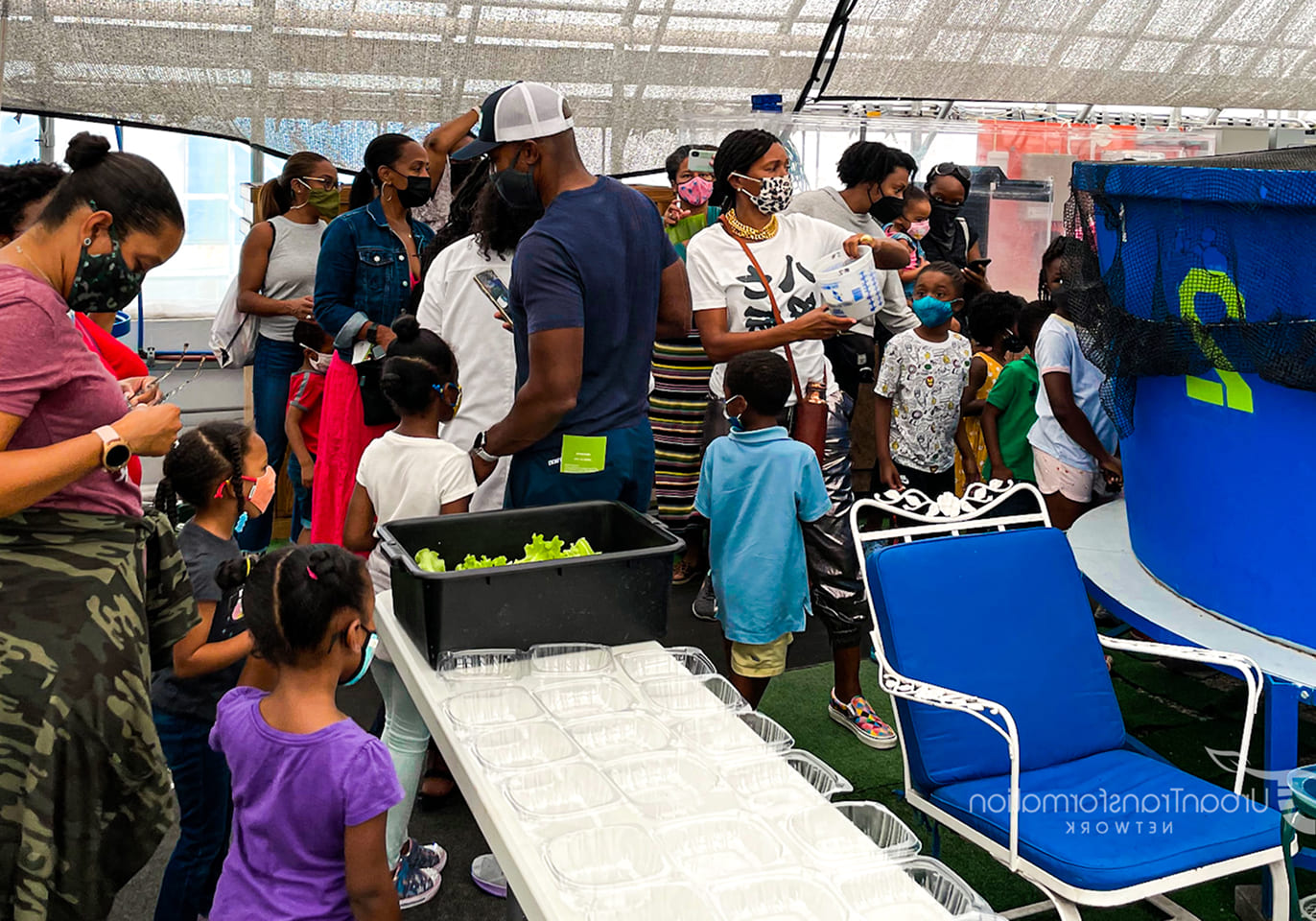
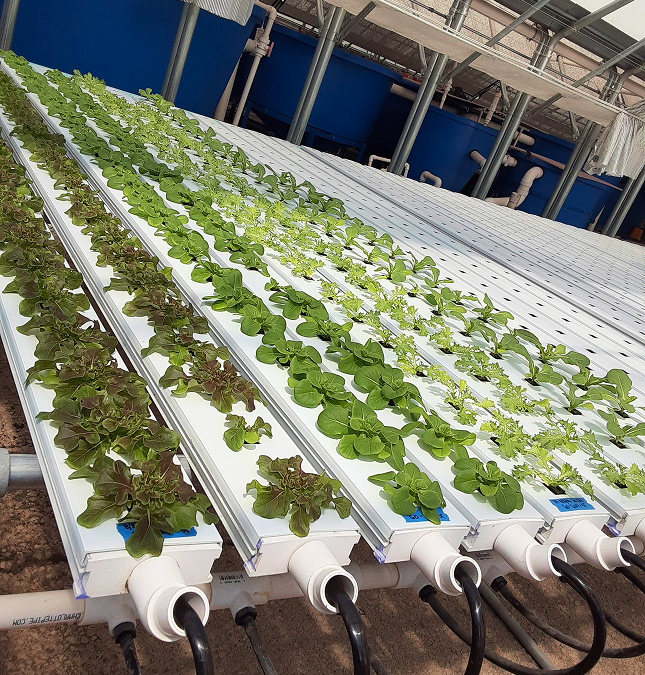
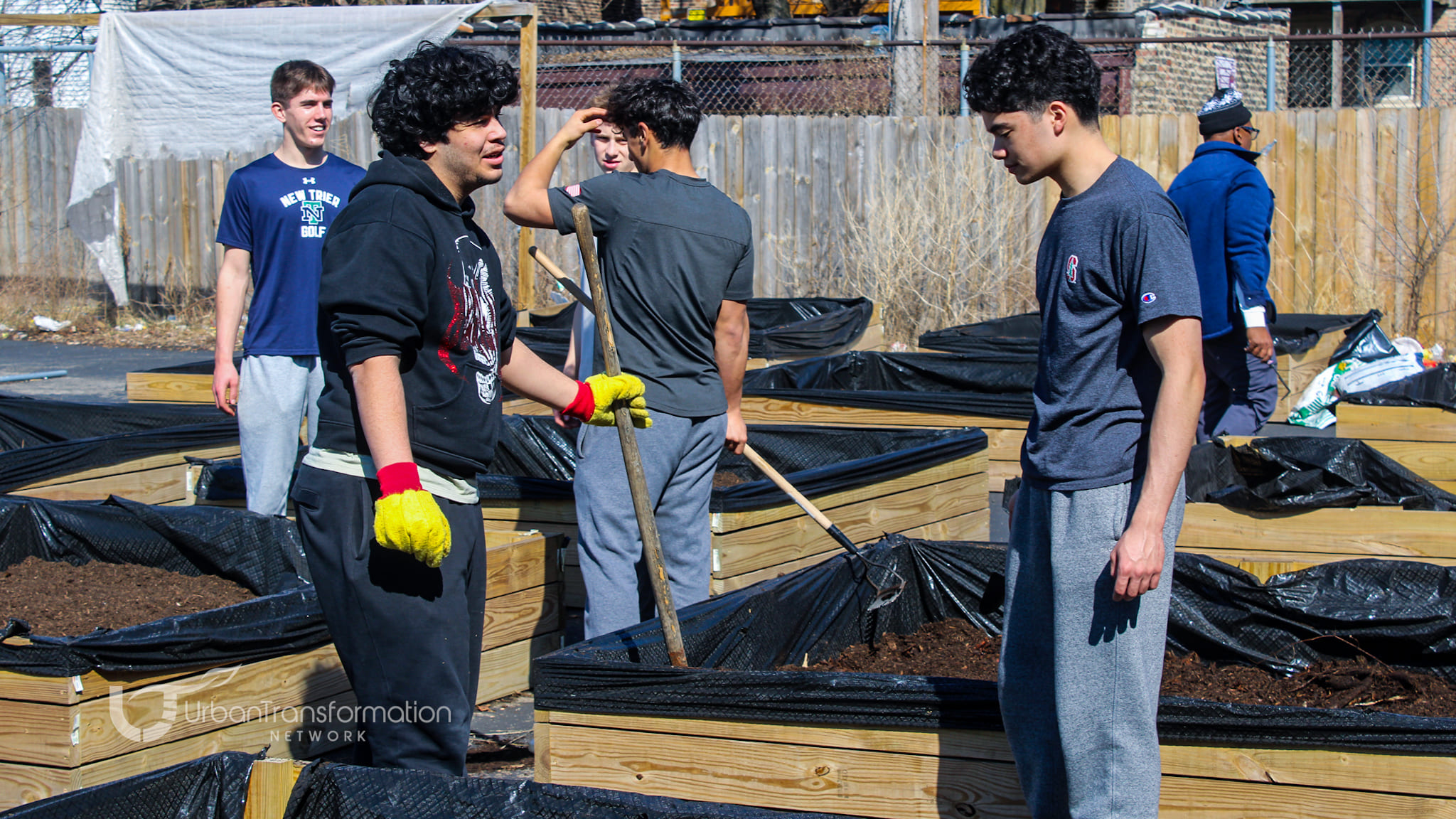
That contrast led us to build something practical, local, and lasting: an urban farm rooted in the West Side of Chicago. Through hydroponic, aquaponic, and greenhouse growing systems, UTN produces fresh food year-round in the heart of the community.
But the farm is more than a place where food is grown. It is the foundation for how we teach, partner, serve, and invest in people. From student learning and workforce exposure to wellness programming and community engagement, our broader work grows out of the farm itself.
We are not just talking about healthier communities. We are building one, starting with food.