
The Wellness Gap in Urban Communities
Residents of Chicago’s most under-resourced neighborhoods face disproportionate health burdens. Life expectancy can vary by more than a decade between neighboring zip codes. Access to mental health services, fitness facilities, preventative care, and community support systems is severely limited compared to wealthier areas of the same city.
These are not personal failures. They are predictable outcomes of systemic disinvestment — and they are reversible with the right interventions.
UTN’s Wellness Framework
Urban Transformation Network approaches wellness as a community infrastructure challenge, not an individual behavior challenge. We ask: What needs to be built, and where, so that wellness becomes the default rather than the exception?
Our programs include nutrition education workshops that teach families how to prepare affordable, healthy meals using locally grown produce. We partner with community health workers who meet residents where they are — in their neighborhoods, speaking their languages, understanding their daily realities.
The Role of Green Space
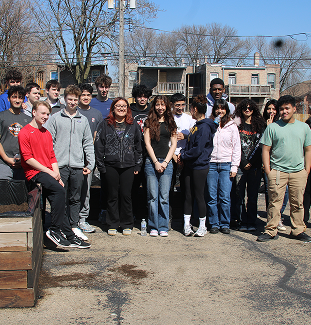
Research shows that access to green space — parks, gardens, trees — significantly reduces stress, improves mental health, and encourages physical activity. Metro Farms serves as community green space, providing a place for residents to engage with growing things, breathe cleaner air, and experience the restorative power of nature within their own neighborhood.
“Coming here to tend the plants is the one part of my week where I feel completely calm. It’s like the noise turns off.” — Senior program participant
Community as Medicine
Perhaps the most powerful wellness intervention we offer is simply connection. Isolation is one of the most damaging health conditions of our time, and it disproportionately affects elderly residents, single parents, and people navigating economic hardship.
UTN events, workshops, and programs create repeated touchpoints that build relationships, foster belonging, and remind community members that they are not alone in their challenges — or their aspirations.